By this point in the year the days are shorter and the calendar is full. It is also the time when a lot of people start thinking about what they want work to look like in the new year. For some, that comes down to something simple: a job where the work shows up in a real person’s day, in a real home. A career as a Home Health Aide in Minnesota is one path worth taking seriously.
What a Home Health Aide does day to day
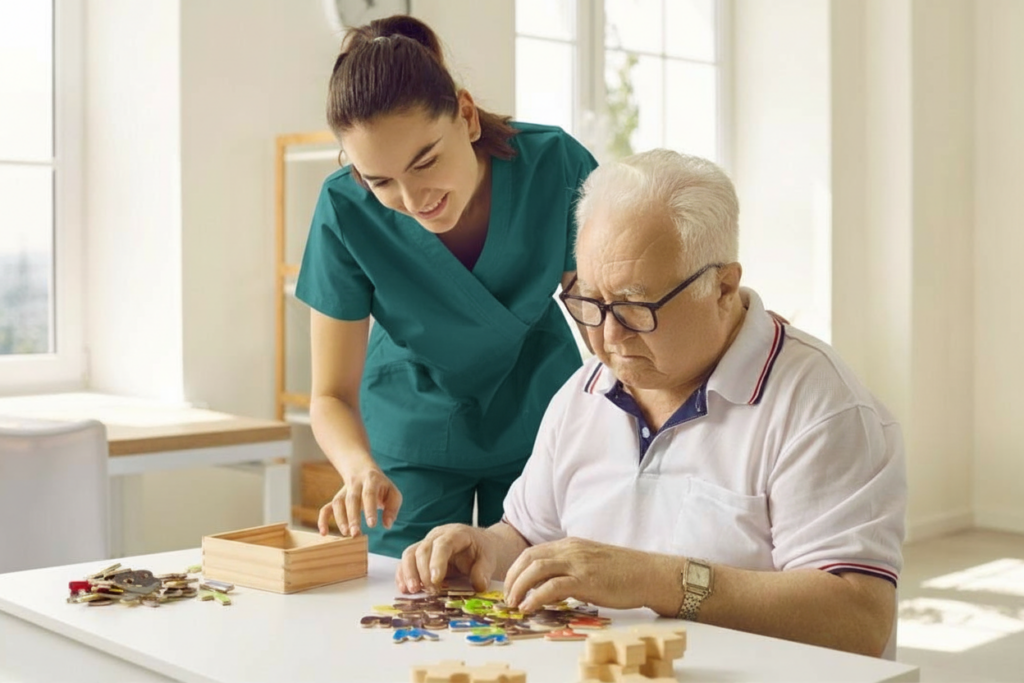
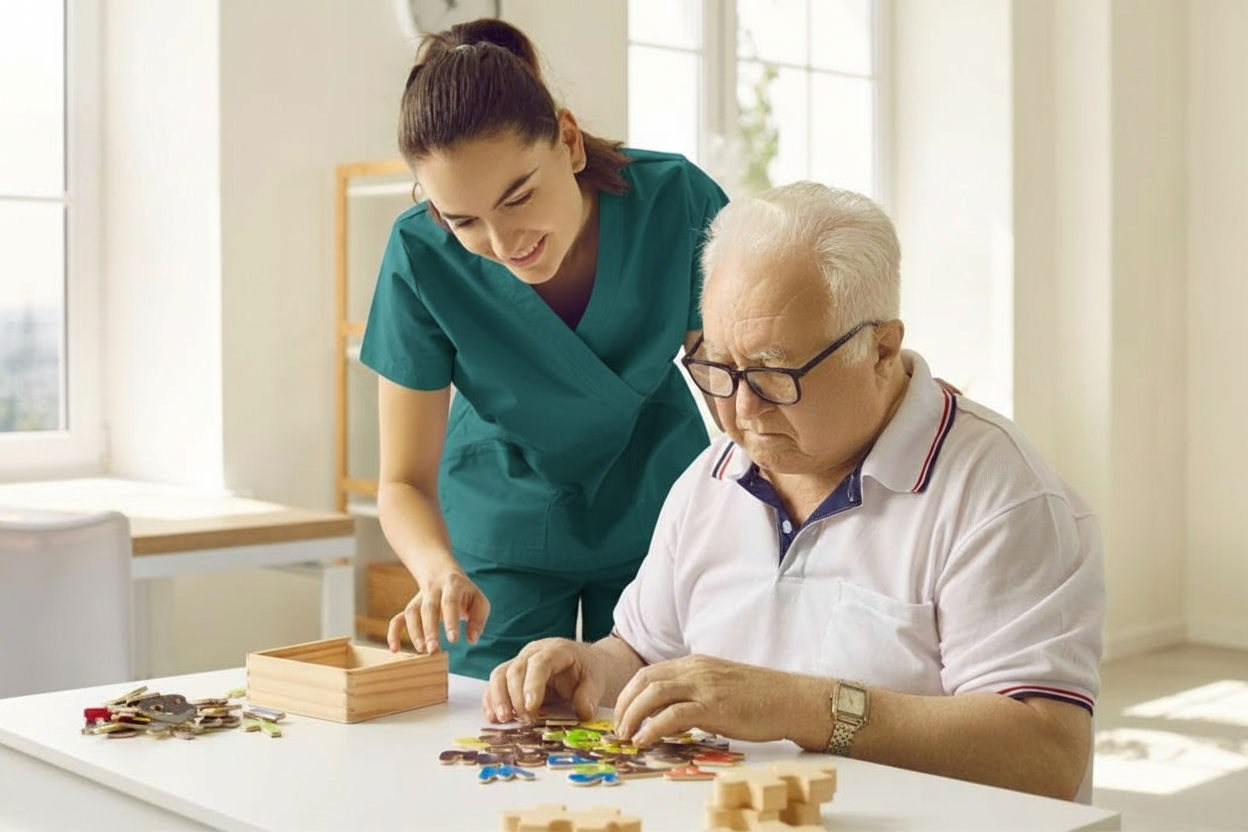
Home Health Aides provide daily support at home. That often includes help with bathing, dressing, and personal hygiene, along with meal preparation, light household tasks, and companionship. No two homes look alike. One person may want a steady morning routine, while another mostly appreciates company at the table. The work follows each person’s needs and preferences, guided by the broader care team.
In the Twin Cities, that might mean a visit to a Minneapolis apartment one day and a St. Paul home the next, each with its own rhythm.
Skills that build through hands-on experience
Home care is a practical place to build skills that carry into many healthcare settings.
Communication
Much of the job is conversation. Aides learn to listen, to explain what they are about to do before they do it, and to adjust to the person in front of them. Some clients like to talk. Others prefer quiet. Reading that difference is a skill, and it develops with time.
Observation
Spending regular time in a home means noticing how someone is doing from one visit to the next, such as a change in energy or a meal left untouched. Aides share what they notice with the nurses and others on the care team, who decide what to do with it. The role is about observing and reporting, not diagnosing.
Working as part of a care team
Home Health Aides do not work alone. CareAparent offers daily support alongside skilled home health services like nursing and therapy, so aides work on a team that includes nurses and therapists. Seeing how those roles fit together can help someone sort out what interests them. Some people find they enjoy daily support work and stay with it. Others become curious about nursing or therapy. Where a person’s path goes is individual, and a first role does not promise any particular outcome.
Looking at culture as well as the job description
The people you work with shape the experience as much as the tasks do. It is reasonable to ask how a team communicates, how new staff are introduced to the work, and what ongoing support looks like. You can read about our culture and how we approach care on our About Us page.
Taking a first step
Requirements for Home Health Aide roles, including training and certification, can vary by employer and position, so it helps to read postings closely and ask questions along the way. If you are curious about what in-home care work looks like across Minneapolis, St. Paul, and the surrounding communities, our team is glad to answer questions, and you can explore current opportunities on our Careers page. Learning more is a reasonable place to begin, and there is no timeline attached to it.